
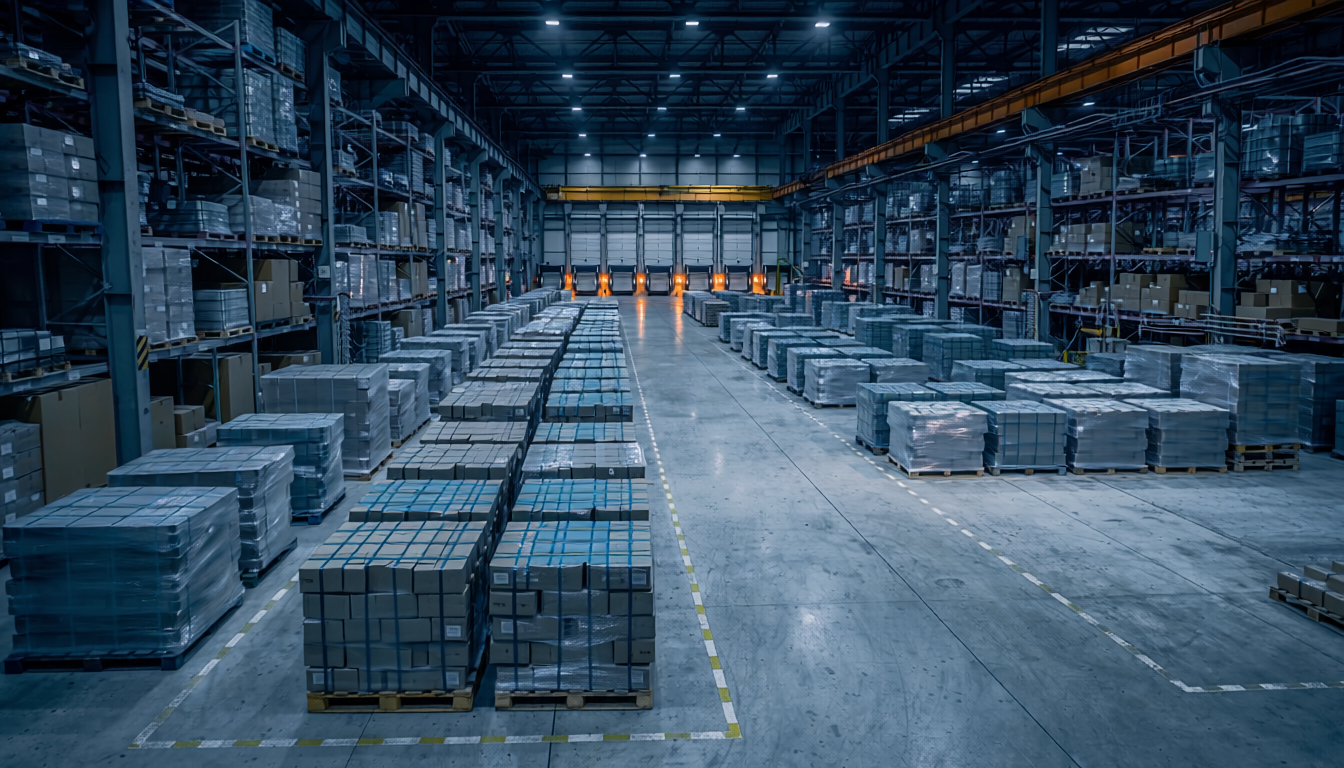
When inbound materials are late and yard coordination breaks down, production stops. Vantage 9 connects the manufacturing supply chain data that keeps your operation moving.
See How We Help»
Why Vantage 9
Manufacturing supply chain operations require a level of coordination that most logistics software was not designed to support. Inbound material schedules connect directly to production timelines. Yard management determines whether docks are available when trailers arrive. Supplier performance data determines whether you can trust your inbound plan or need a contingency.
Vantage 9 connects these functions into a unified operational view, automating the coordination workflows that currently run on radio calls, emails, and spreadsheets, and giving your operations team the real-time visibility they need to keep materials moving and production on schedule.
»
Where We Add Value
The Challenge
Production schedules depend on inbound material arriving on time and in full. When carrier data, supplier confirmations, and dock schedules live in separate systems, the first sign of a problem is often a line stoppage.
What Becomes Possible
Vantage 9 connects inbound shipment data, supplier confirmations, and yard scheduling into a real-time operational view. Production planners see supply risk hours or days before it reaches the line, giving them time to replan rather than react.
The Challenge
Dock and yard coordination at high-volume manufacturing facilities is typically managed manually — radio calls, whiteboard schedules, and spreadsheets — creating delays at shift start and during peak receiving windows.
What Becomes Possible
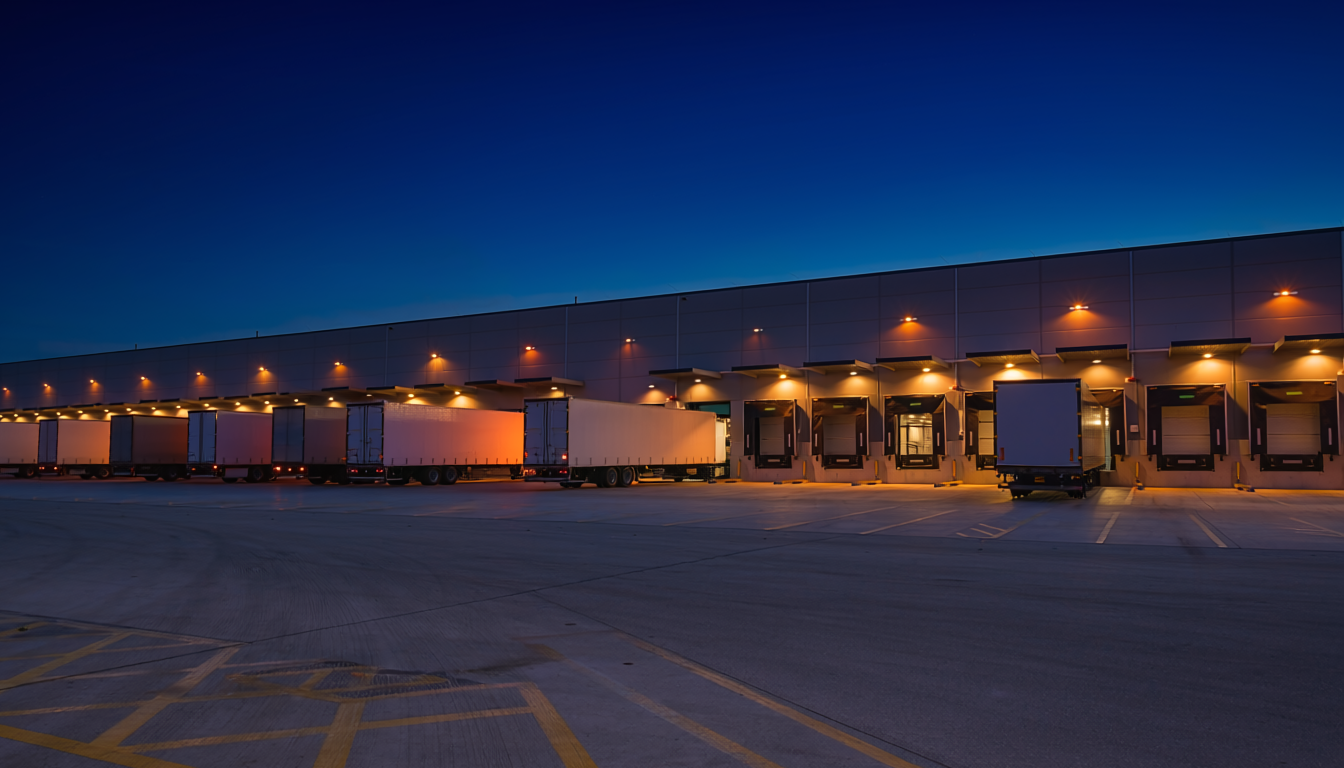
Vantage 9 automates dock scheduling and yard truck coordination, replacing manual processes with digital workflows that give supervisors real-time visibility and give drivers clear move instructions on a tablet interface. A global manufacturer improved dock throughput by 700% after implementation.
The Challenge
Yard operations at manufacturing facilities are among the most manually managed and least visible parts of the inbound supply chain. Trailer locations, gate events, and dock assignments are tracked on whiteboards or in radio calls, with no audit trail and frequent coordination failures.
What Becomes Possible
Vantage 9 Yard Management gives your facility real-time trailer visibility, automated gate processing, and digitized dock scheduling. Every movement is logged. Every trailer is tracked. Gate processing times at one global manufacturer fell by 90% after deployment.
The Challenge
Multi-plant manufacturing operations require coordinated trailer movements across facilities. Managing yard truck workflows across plants without a shared digital system creates delays, miscommunication, and invisible bottlenecks.
What Becomes Possible
Vantage 9 connects yard truck drivers and plant supervisors through a tablet-based interface, coordinating moves across facilities in real time. Trailer throughput per dock increased from one to eight per shift at a global manufacturer after deployment.
The Challenge
Supplier performance data is scattered across systems: ERP records, carrier portals, and email threads. Identifying patterns of late delivery, short shipment, or damage requires manual aggregation that is always behind the operational reality.
What Becomes Possible
Vantage 9 connects inbound shipment data, receiving records, and exception events into a unified supplier performance view. Your procurement and operations teams have the data to manage supplier accountability with evidence rather than anecdote.
The Challenge
Coordinating inbound appointments, compliance documentation, and delivery confirmation across a large supplier base consumes significant team capacity when done manually through email and phone.
What Becomes Possible
Vantage 9 automates supplier communication workflows — appointment scheduling, inbound status updates, exception notifications — replacing manual coordination with structured digital processes that scale across large supplier networks.
»
Results
A global manufacturer implemented Vantage 9 across their yard and dock operations. Gate processing times fell by 90%. Unload times improved by 700%. Each dock went from averaging one trailer per shift to eight.
»
See What Vantage 9 Does for Manufacturing Supply Chain Teams